
The Uganda Law Society (ULS) has dropped its long-standing tradition of political neutrality and endorsed opposition candidates for the 2026 general elections.
The Society said the decision was driven by what it described as a collapse of the rule of law, judicial independence and constitutional governance in Uganda.
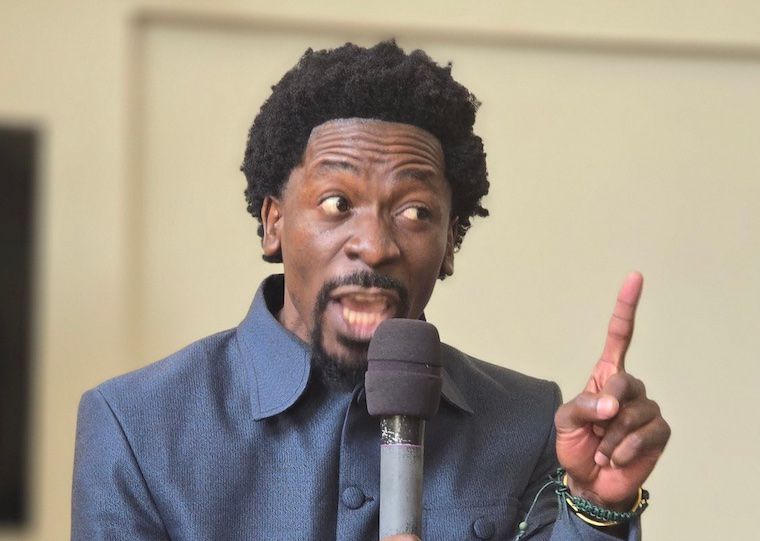
In a statement signed on December 21, ULS president Isaac Ssemakadde said conditions in the country had worsened to a point where neutrality was no longer an option.
“The excessive militarisation of civilian and political life, the entrenched culture of corruption and impunity, and the total capture of state institutions, including the judiciary, under the Museveni/NRM regime have reached a point where neutrality equates to complicity,” Ssemakadde said.
The move marks an unprecedented shift for the ULS, which has traditionally remained neutral to engage successive governments while protecting the independence of the legal profession.
Under the directive, the Society endorsed National Unity Platform (NUP) leader Robert Kyagulanyi Ssentamu as its preferred presidential candidate. It also endorsed Kampala Lord Mayor Erias Lukwago for continued leadership of the Kampala Capital City Authority and Dr Obuku Ekwaro for the Oyam South parliamentary seat.
The ULS further endorsed “all candidates of the National Unity Platform (NUP) and the People’s Front for Freedom (PFF) contesting at every level,” as well as “all lawyers and law students… standing as candidates at any elective position.”
Explaining the decision, Ssemakadde accused state security agencies of repression.
“Security forces have been weaponised to suppress dissent through abductions, torture, extrajudicial killings, and the unlawful trial of civilians in military courts,” he said.
He also accused the government of weakening judicial independence.
Ssemakadde said the judiciary has suffered “deliberate coercion, rigged appointments, manipulated rulings, and clandestine judicial postings.” This, he added, has turned it into “a rubber stamp of militarism and political repression rather than an independent pillar of justice.”
He raised concern over the safety of lawyers, journalists and activists.
He said “lawyers, journalists, citizens, and activists are routinely intimidated, arrested, or disappeared for upholding constitutional rights.”
He cited President Yoweri Museveni’s admission of operating a detention facility known as a “black site (‘fridge’)” and threats of violence against voters.
Ssemakadde said silence was no longer acceptable.
“Silence in the face of this systemic assault on constitutionalism, human rights, and professional integrity would betray the core mandate of the Uganda Law Society,” he said.
He added that the decision was taken “solemnly, as a necessary act of defence for the Constitution of the Republic of Uganda, the independence of the Bar and Bench, and the democratic future of our country.”
According to Ssemakadde, the endorsed candidates represent “the foremost credible force for restoring constitutional order, economic justice, youth empowerment, accountable governance, and the independence of institutions.”
He said their agenda offers “the only viable path to dismantling authoritarian consolidation and rebuilding a new Uganda governed by the rule of law.”
The Society condemned what it called the ruling NRM’s “decades-long normalisation of impunity” and “over-militarisation of politics.”
It said the regime has “transformed instruments of state protection into tools of repression,” eroding public trust in the law.
The statement called for “a total political reset.” This includes demilitarising civilian affairs, freeing captured institutions, ending abductions and sham trials, and forming a government accountable under the 1995 Constitution.
Ssemakadde called on ULS members, law students, civil society groups and citizens to mobilise in support of the endorsed candidates.
He said the Society will use its resources, within the law, to educate the public on the importance of the 2026 elections. He also urged voters to remain near polling stations during voting and counting to safeguard the process.
“This Executive Order takes immediate effect and shall remain in force until the conclusion of the 2026 general elections,” Ssemakadde said.
“The legal profession will no longer stand idle while the rule of law is extinguished,” he added, describing the 2026 polls as “the moment to reclaim our nation and restore professional dignity.”
